When a straight boom is the efficient choice
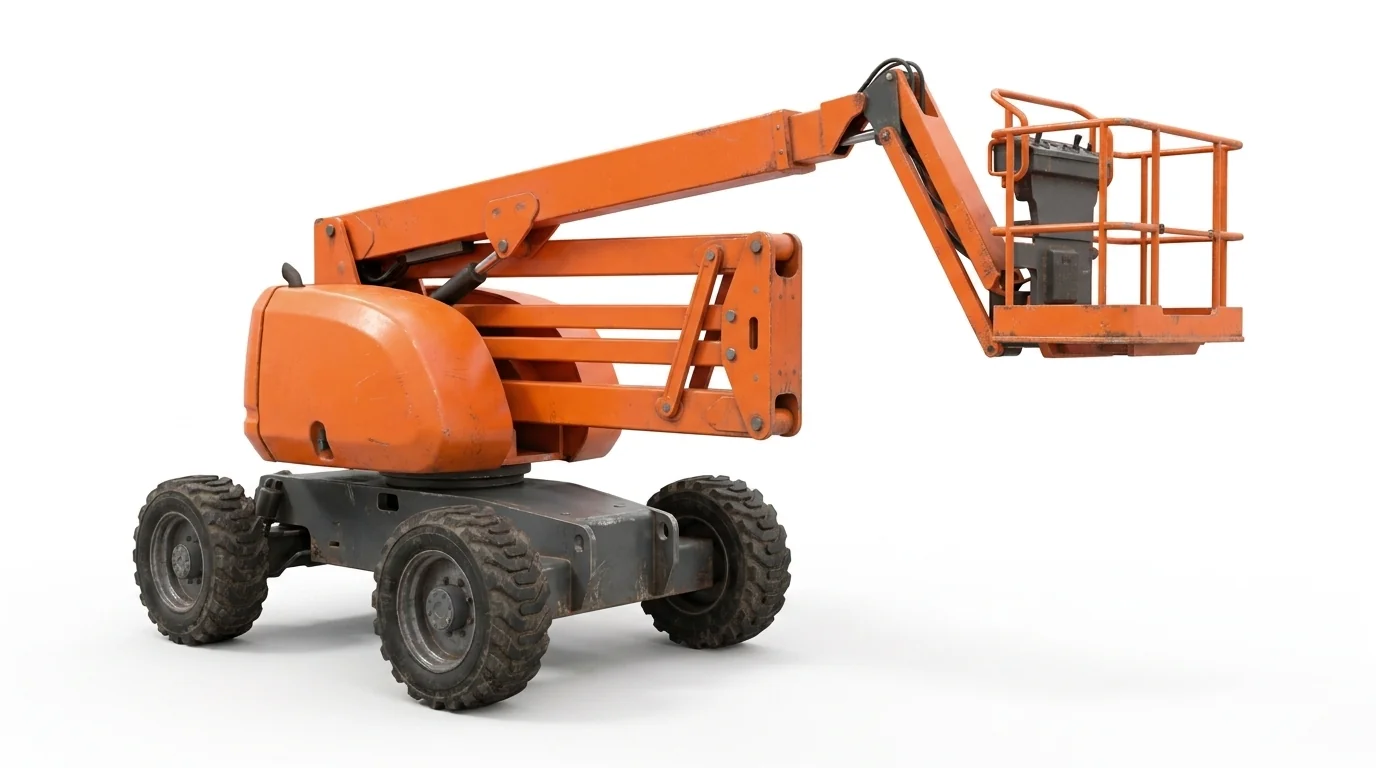
If the machine can sit back from the structure with clear ground between the chassis and the work, a telescopic boom often reaches farther and positions faster than a knuckle boom. Typical fits include siding replacement, roof-edge repairs, lighting on large lots, and high-elevation work on clear spans. Less articulation also means fewer reposition points when the task tracks along a straight run.
Key checks before sizing: - Can the machine park outside curb lines, landscaped areas, or drainage swales? - Is there enough setback to avoid overhead obstructions like signage or low canopies? - Does the task require consistent outreach along a long façade or production wall?
Fort Worth terrain and weather considerations
Open plains around the region can produce sudden gusts. Wind limits in the selected unit’s instructions and site procedures govern whether outreach can be used to its full extent on a given day. Many exterior projects also sit on expansive clay soils that change firmness after rain; rough-terrain models with appropriate tires and, where applicable, outriggers are typically specified for unpaved approaches.
Reach, footprint, and access routes
- Horizontal reach determines how far the platform can work while the machine stays outside traffic or laydown zones.
- Vertical clearance matters at rooflines and parapets; consider set-back distance plus required working height.
- Transport path: measure gate widths, slope transitions, and slab load limits along the route from staging to the work area.
For indoor-reach needs with obstacles, compare with /articulating-boom-lift-rental/. For elevated line work that requires more deck space and straight vertical access, a scissor platform at /rough-terrain-scissor-lift-rental/ may be more efficient on flat, open pads.