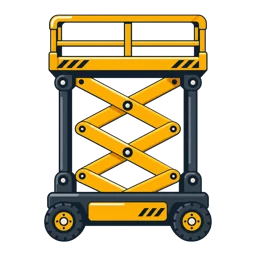
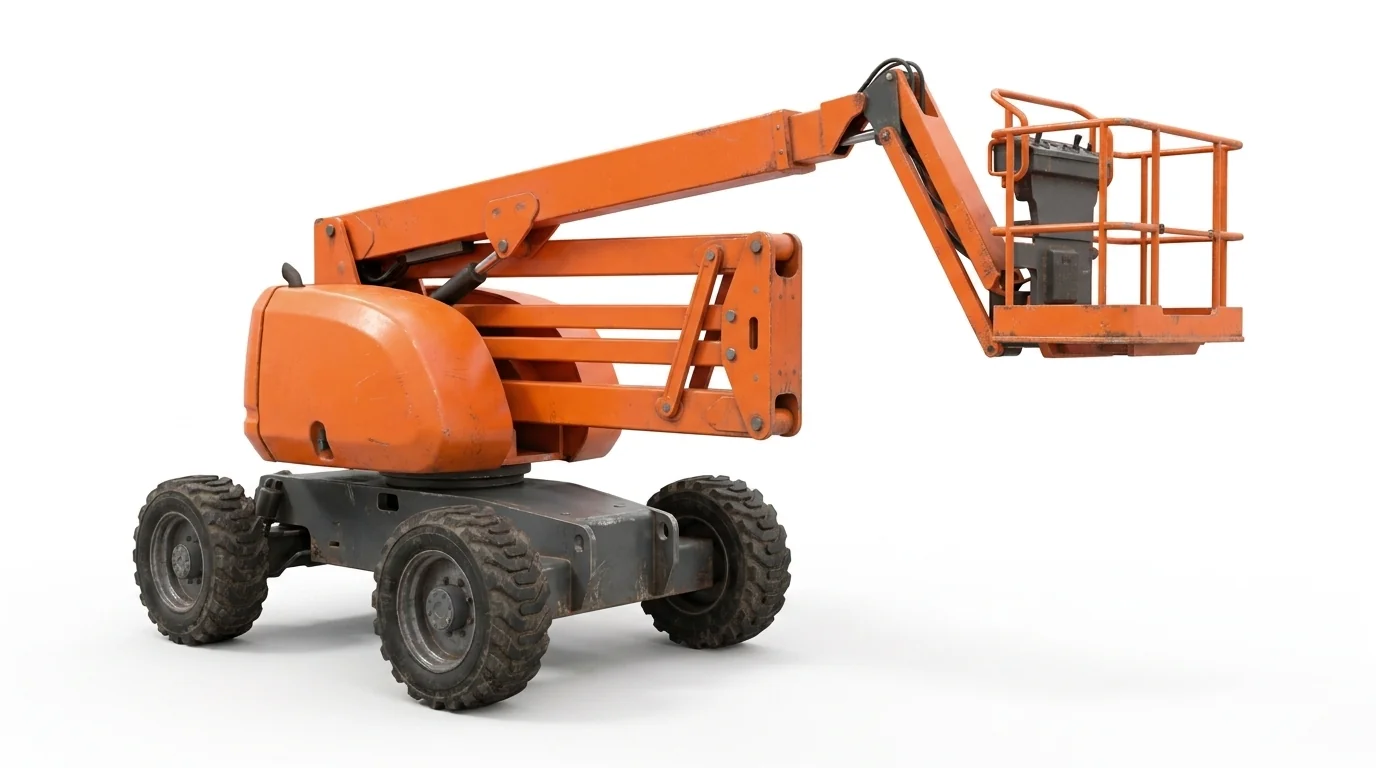
Choose between vertical lift, scissor, and boom platforms based on whether you need straight-up access, up-and-over reach, or long horizontal extension.
Local work clusters include large distribution buildings, aerospace manufacturing, and urban commercial maintenance. Each setting pushes a different access pattern: straight vertical in high-bay interiors, up-and-over around equipment, or long outreach for exterior structures exposed to wind.
Start with access geometry
Can the machine sit below the task? Scissor lifts provide straight vertical access with larger platforms. See /electric-scissor-lift-rental/ for indoor slabs and /rough-terrain-scissor-lift-rental/ for uneven ground.
Is there an obstacle between the machine and the work point? Articulating booms navigate up-and-over paths around racks, ducts, and machinery. See /boom-lift-rental/.
Is long horizontal reach required outdoors? Telescopic booms offer straight-line outreach where ground permits staging at a distance.
Local conditions that change the comparison
Floor protection and emissions: Electric drives and non-marking tires suit high-finish interiors common in regional logistics and aerospace facilities.
Wind and temperature: Open North Texas sites bring gusts and heat that influence allowable exposure and hydraulic performance; elevated work follows unit instructions and site rules.
Ground stability: Expansive clay soils at unfinished projects can affect support. Rough-terrain platforms or alternative staging may be required.
Matching platform size and movement
Platform capacity and deck size help multi-trade tasks on wide façades and long runs of lighting.
Tight aisle turning and doorway widths often limit chassis size indoors.
For sensitive environments, smooth proportional controls and fine positioning reduce risk around equipment.
Where each type fits in Fort Worth
Scissor lifts: lighting, inventory systems, and utilities in large indoor spaces.
Articulating booms: up-and-over access around obstacles in industrial and commercial settings.
Telescopic booms: long reach for exterior work where setback or barriers prevent close positioning.
What aerial lift works best in high-bay warehouses around Fort Worth?
A narrow electric scissor lift usually fits straight-up tasks between racking and through interior doors. If obstacles block a vertical approach, an articulating boom is more practical.
How does wind exposure affect the choice between scissor and boom lifts?
Both categories carry model-specific wind limits. Tall, exposed work can favor booms staged at safer distances, but any elevated operation must follow the selected unit’s instructions and site procedures.
What if the ground is unpaved near the work area?
Consider rough-terrain scissors or booms with appropriate support. Expansive clay soils in the region can change bearing capacity, so planning depends on actual site conditions.