Articulating vs. telescopic in Fort Worth settings
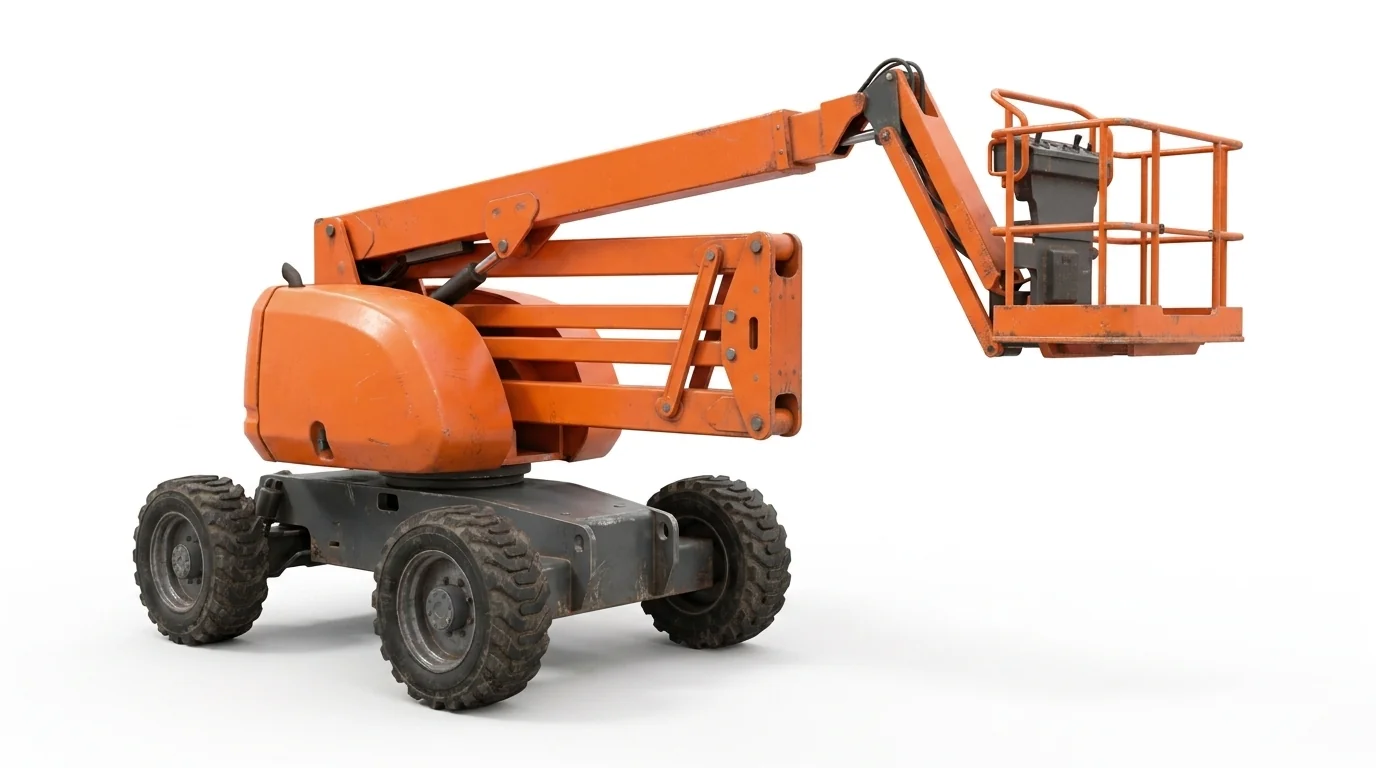
- Articulating booms: Useful in crowded industrial interiors or tight urban exteriors. Multiple joints help clear obstructions and land the platform precisely without moving the base machine as often.
- Telescopic booms: Favor open jobsites where a straight stick can reach from a setback. Common around exterior work lines, signage, and structures with limited machine access.
Local factors that drive the selection
- Ground conditions: Unpaved corridors over expansive clay may call for rough-terrain configurations and careful staging. Machine width and axle loads must match access paths and pads.
- Wind and temperature: Open plains can increase gust exposure, which influences elevation decisions. Hydraulic responsiveness can vary with heat; plan cycles accordingly.
- Clearance and sensitivity: In aerospace and industrial interiors, fine controls, platform positioning, and non-marking options reduce risk near equipment and finished floors.
Sizing the boom
- Horizontal reach: Measure setback from the safe machine position to the work point before selecting a class.
- Up-and-over height: For articulating units, confirm pivot-clearance needs to get above obstacles.
- Platform capacity: Tools, fixtures, and materials affect the required rating and may influence model choice.
When a scissor lift is better
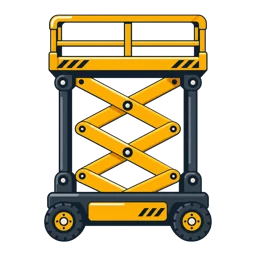
If the task is straight up with room for the chassis below the work, a scissor lift can offer larger deck space and simpler setup. Compare options at /aerial-lift-rental/ or go directly to /electric-scissor-lift-rental/ for interiors.
Related links
- Aerial overview: /aerial-lift-rental/
- Electric scissors for interiors: /electric-scissor-lift-rental/
- Rough-terrain scissors for outdoor slabs and soils: /rough-terrain-scissor-lift-rental/