Ground conditions first
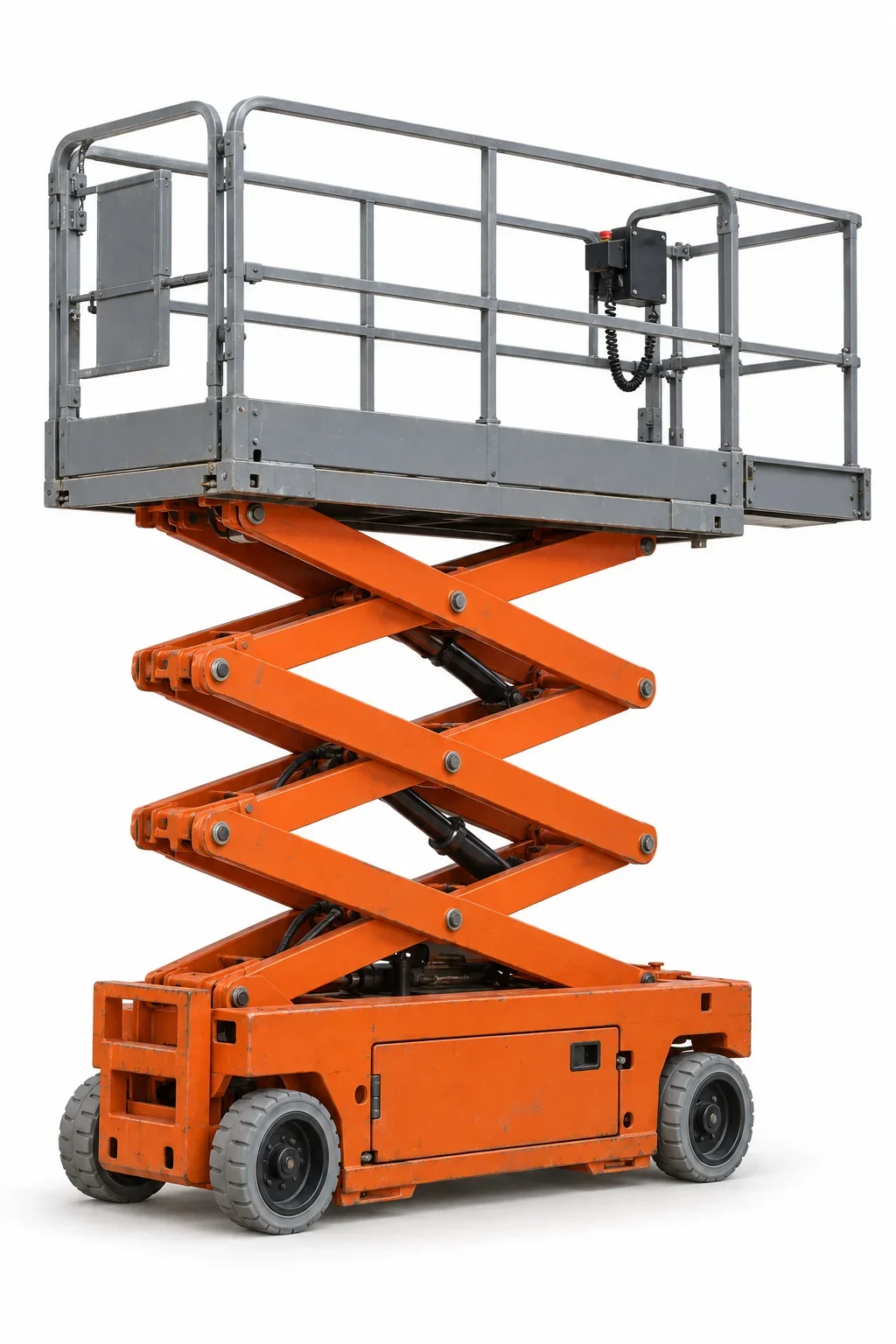
Unfinished sites across the region can shift from firm to soft quickly. Larger tires and leveling support improve stability on uneven ground, but the final decision depends on site assessment, the selected unit’s instructions, and local procedures. Plan travel paths, turning areas, and staging zones with ground bearing in mind.
Sizing the platform
- Working height: Match platform height to the task with enough margin for comfortable positioning.
- Deck size: Wider platforms help with façade work and multi-trade tasks but increase machine weight and transport footprint.
- Access path: Gate openings, compacted ramps, and slab transitions limit maximum machine width and ground clearance needs.
Weather and exposure in North Texas
Open corridors can produce wind that limits lifting at height. Hydraulic performance can vary with temperature, so long, hot days may influence cycle expectations. Outdoor signage, canopies, and façade repairs near busy commercial areas can also require precise positioning without encroaching on traffic; platform extensions and careful staging are typical planning tools.
When a scissor isn’t ideal outdoors
If the work point sits behind obstacles or over setbacks, a boom lift may reduce repositioning. Compare options at /boom-lift-rental/ or start broadly at /aerial-lift-rental/.
Related links
- Compare aerial types: /aerial-lift-rental/
- Need up-and-over reach: /boom-lift-rental/
- Indoor scissor options: /electric-scissor-lift-rental/